
Alabama Livestock Scale
Rugged Scale Systems Built for Livestock Operations
Alabama livestock scales are built to deliver accurate animal weights under the demanding conditions found on farms, ranches, feedlots, and livestock markets. Durable platforms, animal-friendly access, secure footing, and reliable weighing components help operators gather essential data while promoting efficient movement and reducing unnecessary stress during weighing.
Superior Processing & Weighing helps customers throughout Alabama find livestock scales that align with their space, mobility, capacity, and data-management needs. Guided by honesty, integrity, accountability, and responsive service, our experienced team supports each system with professional installation, calibration, maintenance, and repair expertise.
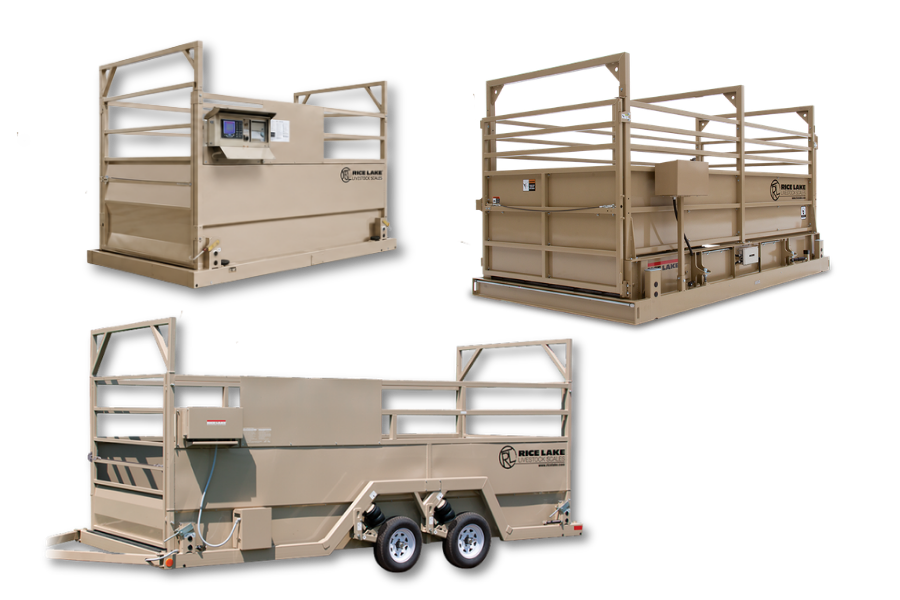
Livestock Scale Features and Benefits
Modern livestock scales combine durable construction, animal-friendly designs, accurate weighing technology, and flexible data capabilities. Systems can be configured around the animals, facilities, workflow, and recordkeeping requirements of farms, ranches, feedlots, livestock markets, and veterinary operations.
Flexible Scale Options
Choose from stationary, portable, mobile, and weigh-bar configurations for individual animals or groups.
Animal-Friendly Surfaces
Textured concrete, rubber matting, and other non-slip surfaces provide secure footing during weighing.
Motion-Compensated Readings
Animal-weighing technology helps digital indicators calculate stable, repeatable weights while livestock move.
Digital Records and Connectivity
Compatible systems may offer weight storage, ticket printing, USB transfer, or wired and wireless connectivity.
Rugged Agricultural Construction
Durable platforms and protected weighing components are designed for moisture, dirt, manure, weather, and frequent use.
Legal-for-Trade Configurations
Certified configurations are available when recorded livestock weights determine a purchase price, sale price, or commercial charge.
Choose the Right Livestock Scale
The best livestock scale configuration depends on where animals are weighed, how frequently equipment must be relocated, and whether an existing chute, crate, pen, or platform will be used.
Stationary Scales
Best suited for:
Permanent chutes, barns, feedlots, sale barns, and established livestock-handling facilities.
Portable Scales
Best suited for:
Multiple weighing locations, seasonal use, temporary facilities, and operations needing transportable equipment.
Mobile Scales
Best suited for:
Pastures, leased land, remote operations, and producers who regularly tow their weighing system between locations.
Livestock Weigh Bars
Best suited for:
Existing squeeze chutes, crates, pens, feed hoppers, and custom platforms that need integrated weighing capabilities.


Choose a Livestock Scale Partner You Can Rely On
The right livestock scale supports better decisions, safer animal handling, and greater confidence in every recorded weight. Superior Processing & Weighing combines quality equipment with knowledgeable guidance to help farms, ranches, feedlots, sale barns, veterinary facilities, and other agricultural operations find dependable solutions for their unique weighing needs.
Whether you need a new Alabama livestock scale, professional installation, calibration, preventive maintenance, or equipment repair, our experienced team is ready to help. Contact Superior Processing & Weighing today to discuss your application, request a product quote, or schedule expert scale service.


Search for Alabama Livestock Scales by region:
Frequently Asked Questions About Livestock Scales
What is a livestock scale used for?
A livestock scale measures animals for herd management, growth tracking, feed-efficiency evaluation, health monitoring, treatment calculations, breeding decisions, transportation planning, and commercial transactions. Regular weighing gives producers reliable information for managing individual animals and overall herd performance.
What type of livestock scale is right for my operation?
The best scale depends on the species and number of animals being weighed, required capacity, platform dimensions, handling setup, installation environment, portability needs, and recordkeeping requirements. Available options include stationary platforms, complete pen systems, mobile scales, portable platforms, and weigh bars installed beneath an existing chute, crate, pen, or custom deck.
Can one scale weigh different types of livestock?
Many livestock scales can accommodate multiple species when the platform, capacity, gates, enclosure, and animal-handling system are appropriate. Cattle, hogs, sheep, goats, and other animals have different space and containment requirements, so each application should be evaluated before selecting equipment.
Can livestock scales provide accurate readings when animals move?
Yes. Many modern digital indicators include animal-weighing or motion-compensation technology that calculates a stable weight while an animal is moving. Secure footing, properly sized enclosures, effective gates, and correct scale installation also contribute to consistent, repeatable results.
Are portable livestock scales available?
Yes. Portable platforms, mobile livestock scales, and weigh-bar systems are available for operations that need to weigh animals in different locations. Depending on the model, portable systems may offer battery or rechargeable power, transport features, wireless connectivity, and data-storage capabilities.
Does a livestock scale need to be legal for trade?
A legal-for-trade livestock scale may be required when an animal’s recorded weight determines its purchase price, sale price, or another commercial charge. Requirements vary by application and jurisdiction. Superior Processing & Weighing can help determine whether a Alabama livestock scale must meet applicable certification and inspection requirements.
How often should a livestock scale be calibrated?
Calibration frequency depends on how often the scale is used, its operating conditions, manufacturer recommendations, accuracy requirements, and any applicable regulations. A scale should also be inspected when readings become inconsistent, after it is moved, following repairs, or when it has experienced overloading, impact, or environmental damage.
How should a livestock scale be maintained?
Routine maintenance typically includes removing mud, manure, bedding, and other debris; checking the deck and approaches; inspecting gates, cables, load cells, and connections; and keeping the platform free from binding. Electronics and weighing components should be cleaned according to manufacturer instructions, particularly in locations subject to moisture or washdown.
Can livestock weights be saved or transferred electronically?
Depending on the indicator and system configuration, livestock scales may support onboard record storage, ticket printing, USB transfer, and wired or wireless connectivity. These features can simplify animal identification, weight-history tracking, reporting, and integration with compatible herd-management or business software.
Does Superior Processing & Weighing install and service livestock scales?
Yes. Superior Processing & Weighing provides livestock scale selection assistance, sales, installation, calibration, preventive maintenance, and repair services throughout Alabama. Contact our team to discuss your animals, weighing workflow, operating environment, and performance requirements.